We Are Hiring! View Open Positions

24/7 Service & Repair

AdobeStock 64819541

Advantages of Automation Systems for Swing Gates

Swing gates are a common feature of commercial properties. While manual gates can serve their purpose, automation systems significantly upgrade control, safety, and efficiency. Whether you’re managing a warehouse, apartment complex, or government building, automating your swing gate has many advantages. In this article, we’ll break down the key benefits of automation systems for swing gates and why more businesses are making the switch.

What Is a Swing Gate Automation System?

AdobeStock 288020909

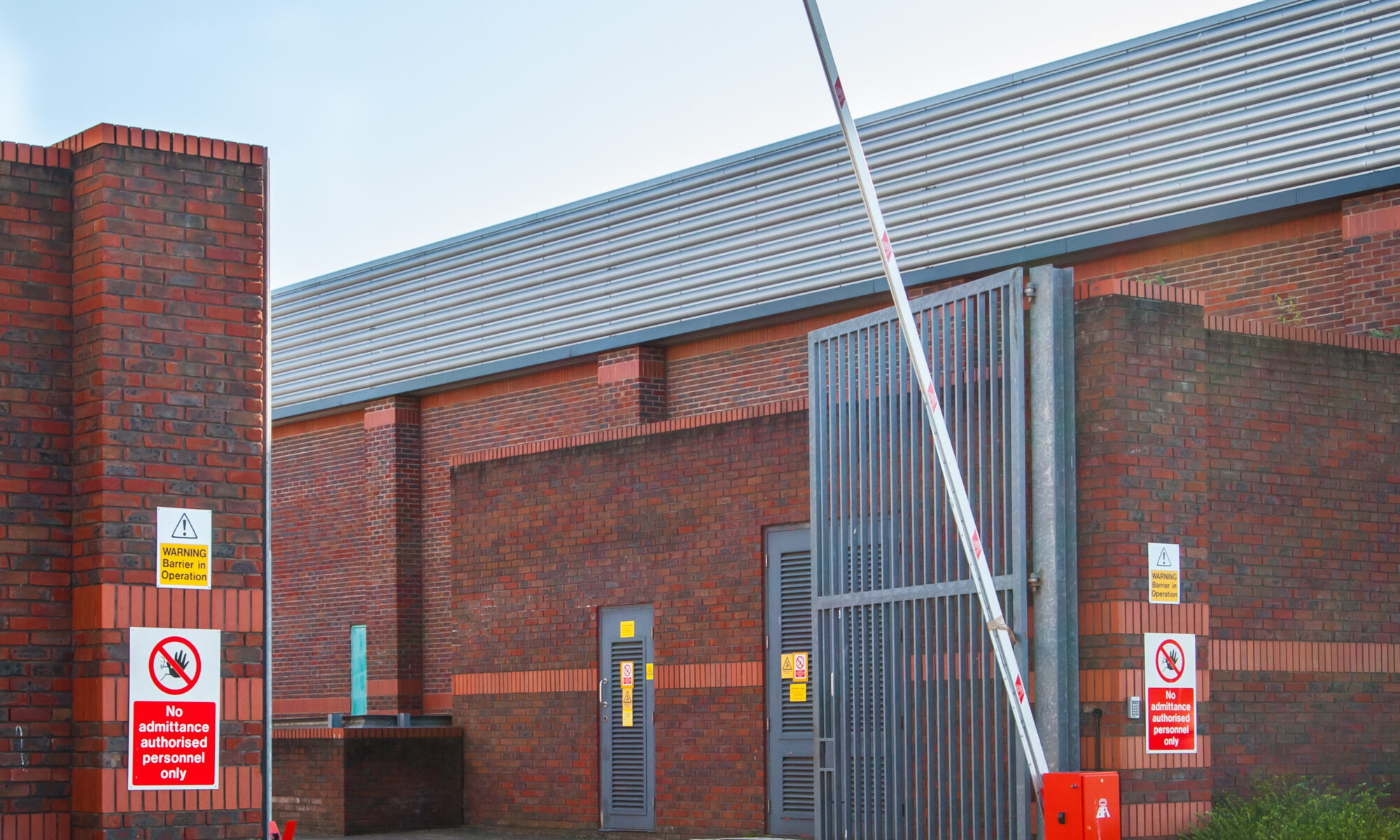
Automation systems use motorized components to open and close gates without manual effort. These systems are installed on all varieties of gates, including sliding gates and swing gates. Swing gate systems come in two main types: hydraulic and electromechanical.

  • Hydraulic systems: Use fluid pressure to move the gate, offering strong force and smooth operation with fewer mechanical components
  • Electromechanical systems: Rely on an electric motor and mechanical parts like gears and arms to operate the gate, offering precise and quiet movement

The core components of a typical swing gate automation system include:

PartDescription
Gate operatorsUnderground, post-mounted, or linear actuator motors that open and close the gate
Control panel/logic boardThe “brain” of the system that manages settings, timing, and response logic
Safety sensorsDevices like photocells or edge sensors that detect obstacles to prevent injury or damage
Access controlsKeypads, RFID card readers, remote controls, intercom systems, or smartphone access
Manual release mechanismAllows manual operation in the event of a power or system failure
Limit switches or gate stopsDefine the open and closed positions of the gate to prevent overtravel
Backup power supplyProvides electricity to the system and ensures operation during power outages
Loop detectors/vehicle sensorsDetect vehicles approaching or present in the gate area for auto-open or safety hold-open functions
Surge protectionPrevents damage to the system from electrical spikes or lightning

What Are the Advantages of Automating Your Swing Gate?

AdobeStock 1051528020

Automation provides many benefits that improve daily operations and reduce long-term costs. Below are the key advantages of automation systems for swing gates and why they’re worth considering for your property.

Improved Security

One of the most significant advantages of an automated gate system is its increased security and perimeter control. Automated systems limit access to authorized individuals, helping to protect your property, staff, and assets.

Integrating keypads, RFID card readers, remote controls, or smartphone apps with automated swing gates gives property managers complete control over who can enter and exit. The system can also log entry times and user credentials, which is especially useful for facilities that require audit trails or scheduled access. Additionally, an automatic gate is a more difficult physical barrier to force open than a manual one, deterring intruders and trespassers.

Convenience and Efficiency

Automating a swing gate turns a time-consuming manual task into a seamless process. With just a push of a button — or no button at all, depending on the access system — gates open and close without requiring someone to leave their vehicle or post a guard at the entry point. This is especially valuable for high-traffic commercial properties, where efficiency matters, allowing delivery trucks, employee vehicles, and service crews to come and go without delays.

Automation also means you no longer have to deal with stuck or improperly latched gates. As long as it’s properly maintained, the system will perform smoothly and consistently, saving time and reducing frustration for everyone using the space.

Better Safety Features

Unlike manual systems that rely on human attention and precision, automation systems include features that help prevent accidents and injuries. Obstacle detection sensors can stop and even auto-reverse the gate if a vehicle, person, or object is in the way, reducing the risk of collisions, especially in busy areas with limited visibility.

In emergencies, swing gate automation systems can be programmed to respond to your business’s alarm system, allowing first responders quick access. This level of safety and responsiveness makes them a smart choice for any property with frequent vehicle or foot traffic.

Long-Term Cost Savings

While the upfront cost of installing an automated swing gate system is an investment, the long-term savings outweigh the initial expense. Businesses can lower recurring labor costs by reducing the need for on-site gate attendants or security personnel. Automated gates also help minimize property damage caused by improper gate use or forced entry, leading to fewer repair expenses over time.

Many modern systems are designed with energy efficiency in mind, using low-voltage motors and smart controls that minimize power consumption and energy costs. With fewer moving parts and reliable performance, maintenance costs tend to be lower than those of manually operated gates that are more prone to wear and tear. Finally, if you ever choose to sell your business, automated gate systems can contribute to an increased property value.

Durability and Low Maintenance

Automation systems are engineered to handle frequent use and heavy gates without wearing down components or compromising performance. Most commercial-grade gate operators are made from corrosion-resistant materials and housed in weatherproof enclosures, protecting internal components from dust, moisture, and temperature extremes, extending the system’s life.

Because the gate opens and closes with consistent force and alignment, there’s less mechanical stress than manual operation, meaning fewer breakdowns, repairs, and less wear on hinges and latches.

Customization and Integration

One of the key advantages of automation systems for swing gates is their ability to integrate with other security and access technologies. They are compatible with various access control tools, including card readers, intercoms, vehicle detection loops, license plate recognition, and smartphone apps. Automation systems can connect to security cameras and central control systems, allowing you to monitor and manage gate activity from a single interface.

For properties with multiple entry points or complex layouts, swing gate automation can be scaled and synced with other gates or barriers. Features like timed access schedules, remote overrides, and custom user permissions make it easy to manage traffic flow without compromising security.

Is It Time to Automate Your Swing Gate?

When considering the advantages of automation systems for swing gates, the benefits are clear: better security, improved safety, greater efficiency, and long-term cost savings. For commercial and industrial properties where access control is a priority, automation offers a reliable, modern solution supporting security goals and daily operations. Properties storing high-value assets or sensitive materials can benefit significantly from automated gates that limit and track all entries and exits.

Swing gate automation is ideal for loading dock access, warehouses, gated lots, apartment complexes, distribution centers, and government facilities. If your property has a high volume of vehicle traffic, limited staffing, or security requirements that demand more than a manual system can provide, it may be time to make the switch.

Before installing an automation system, it’s important to assess factors like gate size, frequency of use, available power sources, and integration needs. Commercial Door can help you evaluate your site, recommend the proper automation setup, and handle installation and long-term maintenance. Contact us today for a free estimate and learn how an automated swing gate system can improve your property’s security, efficiency, and overall access control.
AdobeStock 40112162

What Are Specialty Commercial Doors? A Complete Guide

Many businesses and facilities require specialty doors to comply with building codes, industry regulations, and safety standards that standard commercial doors cannot fulfill. Unlike traditional entry doors in offices or retail spaces, specialty doors serve functions beyond simple access control, including fire resistance, soundproofing, impact resistance, and environmental protection.

Choosing the right specialty door depends on security concerns, environmental conditions, and operational efficiency. This article explores the different types of specialty commercial doors, their uses, and why they are essential for various industries.

Why Specialty Commercial Doors Matter

Specialty commercial doors are essential for businesses that require enhanced safety, energy efficiency, operational efficiency, and regulatory compliance. Unlike standard commercial doors, they are designed to meet industry-specific challenges, including:

  • Safety & security: Specialty doors protect people and property from fire, forced entry, hazardous materials, and extreme weather. 
  • Energy efficiency & environmental control: Many specialty doors help regulate temperature and reduce energy costs. 
  • Regulatory compliance: Specialty doors ensure businesses meet building codes and industry regulations, such as National Fire Protection Association (NFPA) standards and Americans with Disabilities Act (ADA) accessibility requirements.
  • Operational efficiency & workflow optimization: Specialty doors improve daily operations by making access faster and more convenient. 
  • Sound control & noise reduction: In environments where noise control is necessary, specialty doors provide acoustic insulation, reduce noise transmission, and minimize sound disturbances. 
  • Industry-specific applications: Specialty doors are widely used across different industries. Warehouses need specialty overhead garage doors, and data centers and financial institutions rely on high-security doors to protect sensitive information.

Types of Specialty Commercial Doors and Their Uses

There are many specialty commercial doors, each designed to meet specific industry needs. Below, we’ll explore different types of specialty doors and their primary functions.

Fire-Rated Doors

orange commercial fire doors sitting closed in a building

Fire-rated doors slow the spread of fire and smoke, helping protect lives and property in a fire. These doors are constructed with fire-resistant materials such as steel, gypsum, or fire-rated glass and have a fire-resistance rating, typically ranging from 20 minutes to 3 hours. Businesses that use fire-rated doors include:

Fire-rated doors must comply with National Fire Protection Association standards and are often required by local building codes. They are typically paired with self-closing mechanisms to ensure they function correctly in an emergency.

Security and Blast-Resistant Doors

AdobeStock 1082198007

Security and blast-resistant doors reinforce protection against forced entry, ballistic threats, and explosions. These doors are built with high-strength materials such as steel, composite reinforcements, and bullet-resistant glass, making them crucial for facilities requiring high levels of security, including:

  • Government buildings and embassies to safeguard sensitive areas from attacks and unauthorized access.
  • Financial institutions and data centers to protect critical infrastructure and confidential assets.
  • Military and law enforcement facilities to prevent breaches and withstand ballistic threats.
  • Industrial plants that handle hazardous materials to contain potential explosions and protect workers.

Security doors often feature multi-point locking systems, reinforced hinges, and impact-resistant frames. Blast-resistant models undergo pressure and fragmentation testing to ensure they can withstand extreme forces without structural failure in commercial applications.

Soundproof Doors

AdobeStock 479227813

Soundproof doors reduce noise transmission between rooms with dense materials, airtight seals, and specialized insulation. These doors help maintain privacy, improve concentration, and create a controlled acoustic environment in spaces where sound isolation is essential, including:

  • Recording studios and theaters to prevent external noise interference and enhance sound quality.
  • Hospitals and healthcare facilities to maintain patient confidentiality and reduce noise in intensive care units.
  • Corporate offices and conference rooms to minimize distractions and protect sensitive discussions.
  • Hotels and residential buildings to provide quiet, comfortable environments for guests and tenants.

Soundproof doors are rated by their sound transmission class (STC) score, which measures how effectively they block sound. The higher the STC rating, the better the sound insulation. Common materials include acoustic cores, composite seals, and specialized door frames that eliminate gaps where sound could leak through.

Hurricane and Impact-Resistant Doors

AdobeStock 281840346

Hurricane and impact-resistant doors withstand extreme weather conditions, including high winds, flying debris, and heavy storms. These doors are constructed with reinforced steel, fiberglass, or impact-rated glass to prevent structural failure during severe weather events. Hurricane and impact-resistant doors are used in areas such as:

  • Coastal commercial buildings and hotels to protect against hurricanes and storm surges.
  • Warehouse and industrial setting to minimize damage from windborne debris.
  • Emergency response centers to ensure continued operation during extreme weather.
  • Airports and transportation hubs to provide durable, weather-resistant entry points.

Hurricane-rated doors must meet stringent building codes, such as the Florida Building Code (FBC) and Miami-Dade County standards, which require doors to undergo pressure and impact testing. Many models also include reinforced frames, heavy-duty hardware, and water-resistant seals to prevent structural breaches.

Automatic and ADA-Compliant Doors

A picture of an automatic door in a commercial setting.

Automatic and ADA-compliant doors improve accessibility and convenience in commercial and public buildings. These doors operate using motion sensors, push-button controls, or touchless activation, making them essential for compliance with the Americans with Disabilities Act and other accessibility regulations. Automatic doors are used in:

  • Hospitals and healthcare facilities to allow hands-free entry for patients, staff, and emergency responders.
  • Retail stores and shopping centers to provide easy access for customers carrying bags or using mobility aids.
  • Office buildings and government facilities to accommodate employees and visitors with disabilities.
  • Airports and transit stations to manage high foot traffic while ensuring accessibility.

ADA-compliant doors must meet specific width, opening force, and closing speed requirements to accommodate individuals using wheelchairs, walkers, or other mobility aids. Many models also include low-energy operation and fail-safe mechanisms to enhance safety.

Radiation Shielding Doors

AdobeStock 40112162

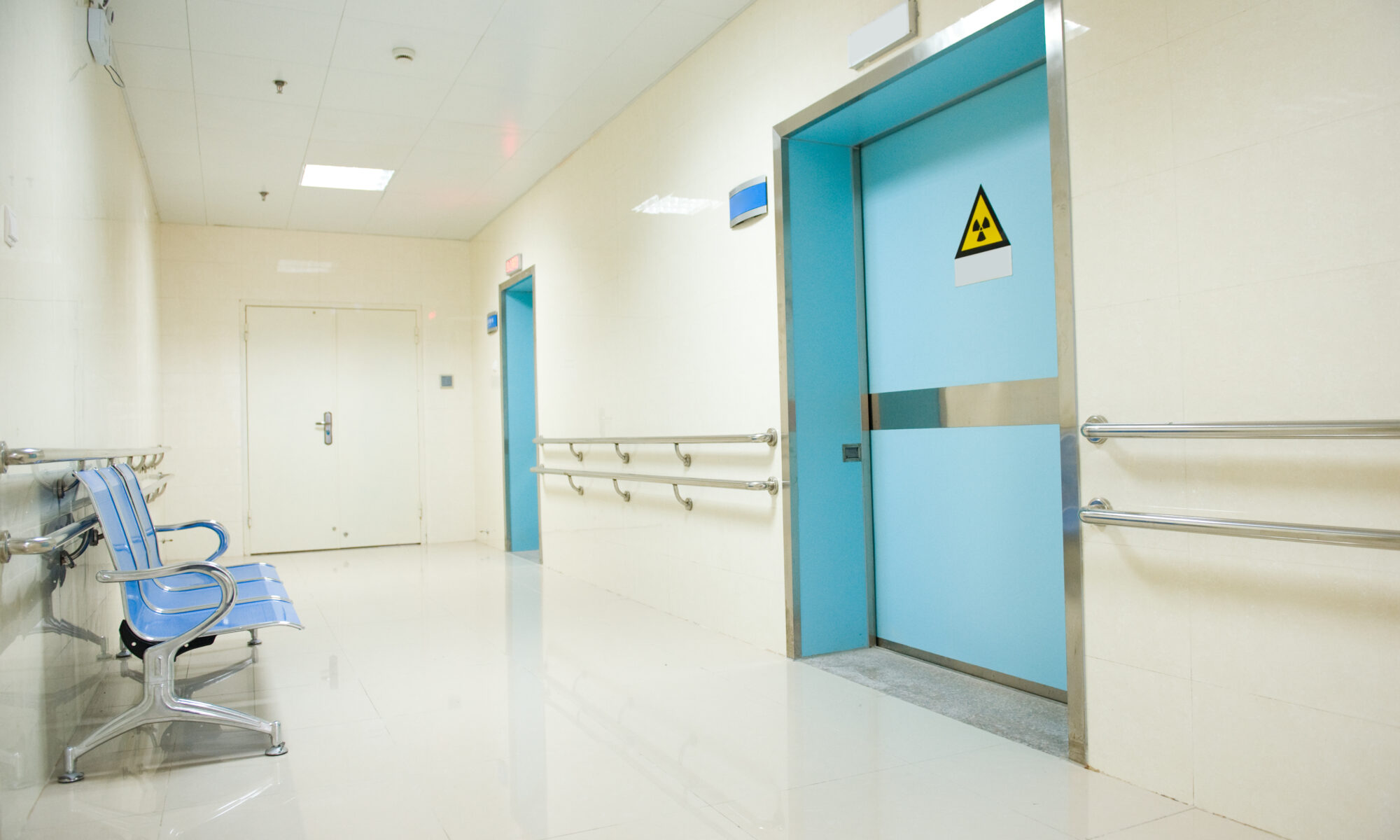
Radiation-shielding doors block harmful radiation exposure in medical, industrial, and research environments. These doors are constructed with lead-lined cores, stainless steel, or other radiation-absorbing materials to protect patients, workers, and sensitive equipment in commercial settings, including:

  • Hospitals and medical imaging centers to contain radiation in X-ray, CT scan, and MRI rooms.
  • Dental and veterinary clinics to protect staff and patients during diagnostic imaging procedures.
  • Nuclear power plants and research laboratories to prevent radiation leaks in controlled environments.
  • Industrial facilities using radiation-based equipment to shield workers from exposure in manufacturing or material testing.

Radiation doors must comply with National Council on Radiation Protection (NCRP) guidelines and state health regulations. They are often paired with specialized gaskets and shielding windows to prevent radiation leakage while allowing safe visibility.

Cold Storage and Freezer Doors

AdobeStock 278868134

Cold storage and freezer doors maintain strict temperature control in refrigerated environments, preventing energy loss and ensuring product preservation. These doors have insulated cores, tight-sealing gaskets, and thermal barriers to minimize heat transfer and condensation buildup. They are used in:

  • Food processing plants and distribution centers to maintain temperature consistency for perishable goods.
  • Grocery stores and restaurants to keep walk-in refrigerators and freezers energy efficient.
  • Pharmaceutical and biotech facilities to store temperature-sensitive medications and vaccines.
  • Cold chain logistics and warehouses to ensure frozen and refrigerated products remain stable during storage and transport.

Cold storage doors come in different styles, including sliding, swing, and high-speed roll-up models. Many cold storage doors also include heated frames and self-repairing seals to prevent ice buildup and ensure long-term efficiency.

Cleanroom Doors

AdobeStock 501870661 1

Cleanroom doors maintain strict environmental control in industries that require contamination-free spaces. These doors feature airtight seals, smooth, non-porous surfaces, and low-particulate materials to prevent dust, bacteria, and other contaminants from entering controlled areas, including:

  • Pharmaceutical manufacturing to maintain sterility during drug production.
  • Biotechnology and medical research labs to prevent cross-contamination in sensitive experiments.
  • Semiconductor and electronics manufacturing to protect microchips and circuit boards from airborne particles.
  • Food and beverage processing to ensure hygiene and regulatory compliance in production facilities.

Commercial Door Experts Will Help You Find the Perfect Specialty Doors for Your Business

Specialty commercial doors are critical in various industries’ safety, efficiency, security, and regulatory compliance. Unlike standard commercial doors, these specialized options are specifically designed to meet environmental, operational, and safety requirements.

Choosing the right specialty door requires considering building codes, material durability, traffic volume, and maintenance requirements to ensure long-term performance and compliance. Businesses should evaluate their industry-specific needs and invest in doors with the highest protection, efficiency, and reliability. Consulting with industry experts can help ensure the right choice for long-term safety and performance for businesses looking to upgrade or install a specialty door system.

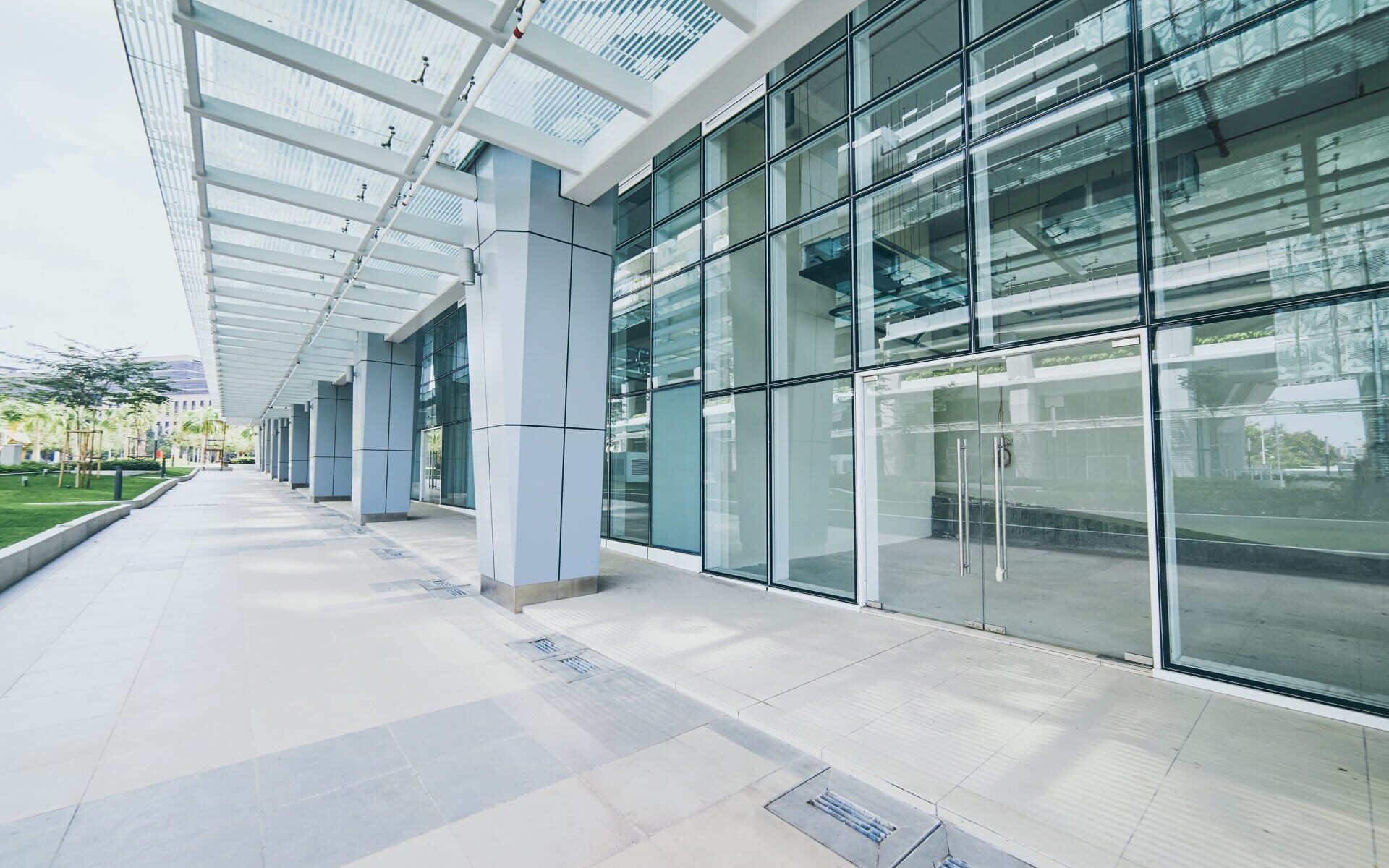
maintaining commercial glass

How to Clean and Maintain Commercial Glass Doors

Maintaining commercial glass doors is crucial for any business. Clean glass doors not only enhance the appearance and functionality of a building but also extend the longevity of the doors. The state of your glass doors significantly impacts customer perception and the overall reputation of your business. A well-maintained glass door creates a positive impression, signaling that you take pride in your business environment and care about the details that contribute to a professional atmosphere.

commercial glass cleaning

Cleaning Process

Keeping your glass doors clean is essential for maintaining their appearance and functionality. Regular cleaning prevents damage, enhances clarity, and ensures that the doors operate smoothly. Here’s a detailed guide on how to clean your commercial glass doors effectively.

Steps for Cleaning Glass Doors:

  1. Clean the door frame according to its material (wood, metal, etc.).
    • Use a damp cloth for wooden frames and a mild cleaner for metal frames to avoid damage. Ensure the frame is free from dust and grime, which can affect the door’s movement and appearance.
  2. Lubricate hinges, handles, and locks to ensure smooth operation.
    • Use a silicone-based lubricant for hinges and locks. Avoid using oil-based lubricants as they can attract dirt and grime. Apply the lubricant sparingly and wipe off any excess.
  3. Dust off the glass with a microfiber cloth to remove loose dirt.
    • Microfiber cloths are excellent for trapping dust and preventing scratches. Dusting first helps to avoid spreading dirt when you start cleaning the glass with a solution.
  4. Use a soapy cleaning solution to clean off dirt, fingerprints, and grime from the glass surface.
    • Mix a few drops of dish soap in a bucket of warm water for an effective and gentle cleaner. Avoid using harsh chemicals that can damage the glass or leave residues.
  5. Dry the glass thoroughly with a lint-free cloth or use a squeegee.
    • A squeegee is highly effective in removing excess water and preventing streaks. Start from the top and move downward in a smooth, continuous motion. If using a cloth, ensure it is dry and lint-free.
  6. Follow up with a glass cleaner for a streak-free shine.
    • Use an ammonia-free glass cleaner to avoid fumes that can cause discomfort. Spray the cleaner on the glass and wipe with a clean, dry microfiber cloth in circular motions for a perfect finish.
  7. Pay special attention to corners and edges where grime can accumulate.
    • Use cotton swabs or an old toothbrush to clean the hard-to-reach areas. Corners and edges often trap dust and dirt, which can lead to long-term build-up if not cleaned regularly.
commercial glass cleaning tips

Cleaning Tips

To ensure your commercial glass doors remain spotless and in excellent condition, understanding and adhering to best practices is fundamental:

Avoid Streaks Caused by Quick Drying in the Sun

Clean on a cloudy day to avoid streaks caused by quick drying in the sun. Sunshine can cause the cleaning solution to evaporate too quickly, leaving unsightly streaks on the glass. By cleaning on a cloudy day, you have more time to wipe the glass thoroughly without the solution drying too fast. This results in a cleaner, streak-free finish and helps you avoid streaks on your glass doors.

Prevent Dirty Water from Dripping onto Cleaned Areas

Work from top to bottom to prevent dirty water from dripping onto cleaned areas. Gravity helps when cleaning glass. Starting at the top ensures that any drips will fall on areas you haven’t cleaned yet. This makes the cleaning process more efficient and reduces the need for re-cleaning, saving you time and money.

Achieve Crystal Clear Glass

Use a squeegee or soft cloth for crystal clear glass. Squeegees are excellent for removing excess water and preventing streaks. A squeegee helps to achieve a smooth, streak-free surface by removing the cleaning solution in a continuous motion. Soft cloths are great for drying and polishing the glass without leaving any lint or streaks behind, ensuring a pristine, clear finish. Regular use of these tools will keep your clean windows looking their best.

Protect Staff with Allergies or Asthma

Avoid ammonia-based cleaners if there are allergies or asthma among staff. Ammonia can trigger respiratory issues in sensitive individuals, causing discomfort and health problems. Opt for ammonia-free cleaners to ensure a healthier environment for your employees. These alternatives are effective and safer for individuals with respiratory sensitivities.

Prevent Scratches on the Glass

Use gentle, non-abrasive materials to prevent scratches on the glass. Abrasive materials can leave permanent marks on the glass, compromising its clarity and appearance. Soft cloths and non-scratch pads are ideal for cleaning glass surfaces. They help to keep the glass smooth and clear by preventing scratches and maintaining the integrity of the glass. This thorough cleaning approach ensures that your glass doors are free from residue and scratches.

Use Eco-Friendly Cleaning Options

Use homemade cleaners (e.g., vinegar and water solution) for an eco-friendly option. Homemade cleaners are not only cost-effective but also environmentally friendly. A simple solution of vinegar and water can effectively cut through grime and leave your glass doors shining. This method avoids harsh chemicals, making it a safer choice for both the environment and the people using the cleaning products. This approach can also help save money on cleaning supplies.

commercial glass regular cleaning

Reasons for Regular Cleaning

Regular cleaning of commercial glass doors is essential for maintaining their appearance and functionality. Not only does it keep the doors looking pristine, but it also prevents various forms of damage and extends their lifespan.

Preventing damage from dirt, grime, and water spots is one of the primary reasons for regular cleaning. These substances can build up on the glass surface, leading to potential scratches and long-term damage. Keeping the glass clean ensures that your doors look their best and remain functional.

Avoiding scratches and corrosion on metal components is crucial for the longevity of your doors. Dirt and grime can cause scratches on the glass and corrosion on metal components such as hinges and handles. By maintaining a regular cleaning schedule, you can avoid these issues, ensuring the longevity of both the glass and the metal parts of your doors.

Maintaining seals and gaskets through regular cleaning helps preserve their function. These components are essential for keeping weather out and maintaining the structural integrity of the doors. Cleaning ensures that seals and gaskets do not deteriorate, which can lead to leaks and other issues.

Financial benefits of regular cleaning include reducing the need for costly repairs and replacements. By preventing damage and maintaining the integrity of your glass doors, you can save money in the long run. This proactive approach ensures your doors remain in good condition.

Enhancing natural light entry and energy efficiency is another key reason for regular cleaning. Clean glass doors allow more natural light to enter your building, improving the ambiance and reducing the need for artificial lighting. This not only creates a more pleasant environment but also improves energy efficiency, potentially lowering your energy costs.

commercial glass when how why

Understanding When, How, and Why

Regular cleaning of commercial glass doors is essential for maintaining their appearance and functionality. Not only does it keep the doors looking pristine, but it also prevents various forms of damage and extends their lifespan. Issues like a broken door closer, or related maintenance items, are important to keep track of, and regular cleaning/repair is a great way to proactively address those instances.

Frequency of Cleaning

Regular cleaning is necessary to keep your glass doors in optimal condition. Here’s how often you should clean and why it matters:

  • Recommended Frequency: Clean your doors at least twice a week to prevent the buildup of dirt and grime.
  • Proper Solutions and Methods: Use appropriate cleaning solutions and techniques to avoid damaging the glass.
  • Seasonal Adjustments: Increase cleaning frequency during seasons with higher pollen or dust to maintain clarity and cleanliness.

Manufacturer Instructions

Following the manufacturer’s instructions is crucial for maintaining the quality and warranty of your glass doors. Here’s what to consider:

  • Care Instructions: Adhere to the care guidelines provided by the door’s manufacturer for the best results.
  • Recommended Products: Use manufacturer-recommended cleaning products designed specifically for your doors to ensure their longevity and performance.

Additional Considerations

There are additional factors to keep in mind for the comprehensive maintenance of your glass doors. These include:

  • Health Considerations: Opt for ammonia-free cleaners to protect employees with allergies or asthma.
  • Eco-Friendly Cleaners: Use custom cleaners made from supermarket ingredients like vinegar and baking soda for an environmentally friendly option.
  • Proper Ventilation: Ensure adequate ventilation while cleaning to avoid inhaling fumes.
  • Regular Inspections: Inspect and maintain door hardware, such as hinges, locks, and handles, regularly to ensure smooth operation.
  • Prompt Repairs: Address and repair any minor damages promptly to prevent further issues.
  • Seasonal Maintenance: Implement seasonal maintenance tips, such as checking weatherstripping in winter, to keep the doors efficient and functional year-round.
commercial glass professional cleaning

Professional Cleaning Services

Regular cleaning of commercial glass doors is important, but there are times when hiring a cleaning company is beneficial. Here are key points to consider:

When to Consider Hiring a Cleaning Company

Hire a professional cleaning company if your glass doors have extensive grime, stains, or difficult-to-reach areas. If your employees are too busy with other tasks, professionals can ensure thorough and timely cleaning. For large buildings with many glass windows and doors, a cleaning company can efficiently manage the workload.

Benefits of Professional Cleaning

Professional cleaners provide a thorough cleaning that covers every detail, leaving your glass doors spotless. They use specialized tools and equipment for superior results. Trained cleaners know the best techniques to maintain the quality and appearance of your glass doors, ensuring they look and function optimally.

Cost Considerations and Frequency of Professional Cleaning

While professional cleaning services come at a cost, they can save money in the long run by preventing damage and extending the lifespan of your glass doors. Schedule professional cleaning weekly, bi-weekly, or monthly based on your needs. Regular professional cleaning keeps your glass doors in top condition, complementing routine in-house maintenance. This proactive approach enhances the overall impression of your business to customers and protects your investment.

commercial glass longevity

Ensure Longevity with Professional Care

For all your commercial door needs, consult with Commercial Door. We offer a wide range of services, including high-speed doors, commercial door repair, automatic doors, loading dock equipment, impact doors, entry doors and hardware, overhead doors, gates and gate automation, hollow metal doors, metal doors, and steel doors. Trust Oklahoma’s favorite commercial door company to provide secure and dependable solutions for your business in Norman, Tulsa, Oklahoma City, and the Dallas-Fort Worth area.

Contact us today at 405-321-DOOR (3667) to schedule a consultation or visit our website to learn more about our services, view our gallery, and read reviews from our satisfied customers. Trust the experts at Commercial Door to handle all your commercial entry door needs with professionalism and expertise.