
Commercial buildings in Tulsa, Oklahoma, rely on properly functioning fire doors to contain smoke, limit fire spread, and protect occupants during an emergency. They are part of a larger safety system required by code, and must be installed and maintained correctly to perform as intended.
The City of Tulsa adopts and enforces nationally recognized fire and building codes, including provisions that regulate fire-rated door assemblies. Business owners are responsible for ensuring that required fire doors remain compliant throughout the life of the building. This includes proper installation, annual inspection, and ongoing maintenance.
When fire doors are damaged, altered, or allowed to fall out of adjustment, they may no longer meet code requirements. Violations can lead to correction notices, failed inspections, delays in occupancy approvals, and increased risk exposure. Understanding how fire door regulations in Tulsa apply to your property helps you avoid disruptions and maintain a safer facility.
What Are Commercial Fire Door Requirements in Tulsa?
Fire door regulations in Tulsa are based on the fire and building codes adopted by the City of Tulsa, which reference nationally recognized standards such as the International Fire Code and International Building Code. These codes require fire-resistance-rated door assemblies in specific areas of commercial buildings to compartmentalize fire and smoke and protect exit routes.
A fire door is a complete, tested assembly, not just a heavy door slab. Every component must work together to maintain the rated opening. This includes:
- The labeled fire-rated door: The door itself must carry a visible and legible fire rating label indicating it has been tested and approved for a specific fire-resistance duration.
- The labeled frame: The frame must also be fire-rated and properly labeled to match the required rating of the wall and door assembly.
- Hinges and pivots: Hardware that supports the door must be listed for use on fire-rated assemblies and installed according to manufacturer specifications.
- Self-closing devices: Fire doors must automatically close and fully latch without manual assistance to prevent the spread of fire and smoke.
- Positive latching hardware: The door must securely latch when closed to ensure it remains in place during fire conditions.
- Approved glazing and vision panels: Any glass installed in a fire door must be fire-rated and installed using approved materials and methods.
- Gasketing and smoke seals where required: Certain assemblies require specific seals to limit the movement of smoke and maintain the integrity of the opening.
In addition to proper installation, annual fire door inspections are required for most commercial buildings in Tulsa. These inspections verify that each assembly closes, latches, and meets clearance and labeling requirements. Inspections must be documented, and records should be maintained for review by the local Authority Having Jurisdiction, typically the fire marshal or building official.
Identified deficiencies must be correctedIf deficiencies are identified, corrective action must be taken, which may includevolve adjustment, hardware replacement, or full door replacement, depending on the severity of the issue. Maintaining accurate records and scheduling annual inspections helps business owners avoid violations and keep their facilities compliant and safe.
Common Fire Door Compliance Issues in Commercial Buildings
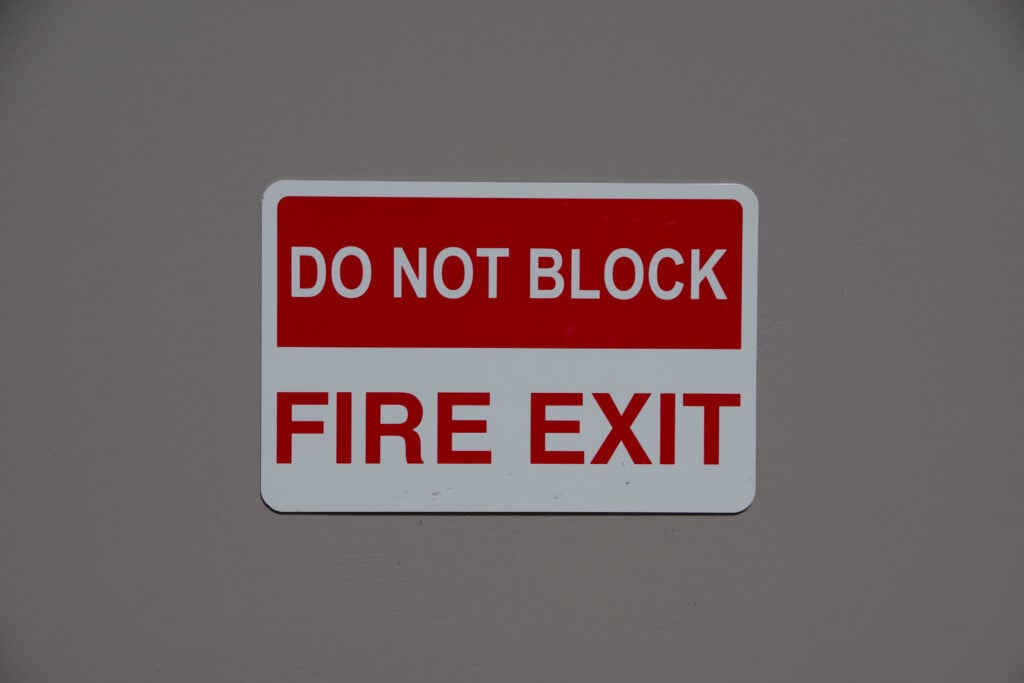
Many fire door violations in Tulsa are not due to major structural problems. They are often caused by routine wear, improper repairs, or well-intentioned modifications that compromise the fire rating. Because some fire doors are used daily, small issues can develop over time and go unnoticed until an inspection occurs. Some of the most common compliance issues include:
- Doors propped open: Fire doors must remain closed and latched unless they are connected to an approved automatic hold-open device tied to the fire alarm system. Using wedges, kick-down stops, or other objects to hold a door open defeats its purpose and is a frequent violation.
- Failed or disconnected closers: If the self-closing device does not fully close and latch, the door, the assembly does not meet code requirements. Leaking hydraulic fluid, loose mounting screws, or disconnected arms are common problems.
- Improper hardware replacements: Swapping out fire-rated hardware with non-rated components can void the assembly’s listing, like installing unapproved deadbolts, surface bolts, or additional locking devices can create compliance issues.
- Unapproved field modifications: Drilling new holes, cutting the door for vision panels, or modifying the frame without proper listing approval can invalidate the fire rating. Even small penetrations from removed hardware can be cited.
- Excessive clearance gaps: Over time, doors may sag, or frames may shift, creating gaps that exceed allowable limits along the sides, top, or bottom of the door.
- Missing or painted-over labels: Fire doors and frames must have legible manufacturer labels. If labels are removed, damaged, or covered with paint, inspectors may not be able to verify the rating.
- Coordinator failures on paired doors: Double fire doors must close in the proper sequence. Missing or malfunctioning coordinators can prevent the doors from latching correctly.
- Missing or non-compliant astragals: Where required by the listing, astragals must be properly installed on paired doors to maintain the integrity of the opening.
- Damaged or missing gasketing and smoke seals: Worn, loose, or missing seals can allow smoke to pass through the opening and may result in inspection failures.
- Improper access control modifications: Electric strikes, magnetic locks, and card reader systems must be listed for use on fire-rated assemblies. Unapproved access control hardware can compromise the rating and create safety concerns.
- Threshold or floor condition changes: Flooring replacements or added thresholds can alter required clearances and affect door operation.
When Fire Door Repair or Replacement Is Required
When a fire door fails inspection in Tulsa, the next step is determining whether the issue can be corrected through repair or whether full replacement is necessary. The decision depends on whether the fire-rated assembly can still meet its original listing and perform as tested. Some deficiencies are mechanical and can be corrected. Others permanently compromise the rating and require a new assembly.
| Repairs | Replacement |
|---|---|
| A failed closer can often be replaced with a properly listed fire-rated closer to restore compliant, self-closing operation. | Severely warped, cracked, or delaminated fire doors must be replaced because structural damage can compromise their fire-resistance performance. |
| Hinges can be adjusted or replaced to correct excessive clearance gaps and restore proper alignment. | A frame that is bent, rusted through, or significantly damaged typically requires replacement to maintain the integrity of the rated opening. |
| Damaged gasketing or smoke seals can be replaced with approved materials to maintain smoke control requirements. | A door or frame with missing or illegible fire labels that cannot be verified may need to be replaced to confirm code compliance. |
| Compliant fire-rated latching hardware can be installed if the existing hardware is non-rated or malfunctioning. | Large unapproved field modifications, such as improperly cut vision panels or oversized hardware preparations, often require full door replacement. |
| Minor surface damage that does not affect the core or structural components of the door may be repaired in accordance with listing requirements. | Excessive holes, penetrations, or alterations that cannot be properly repaired under approved methods require replacement of the affected component. |
Maintaining label integrity and using listed components is essential in both situations. Whether repairing or replacing a fire door assembly in Tulsa, all corrective work must preserve or restore the door’s tested fire rating. Choosing the correct solution helps prevent repeat violations and supports long-term compliance.
How Fire Door Regulations Affect Different Industries in Tulsa
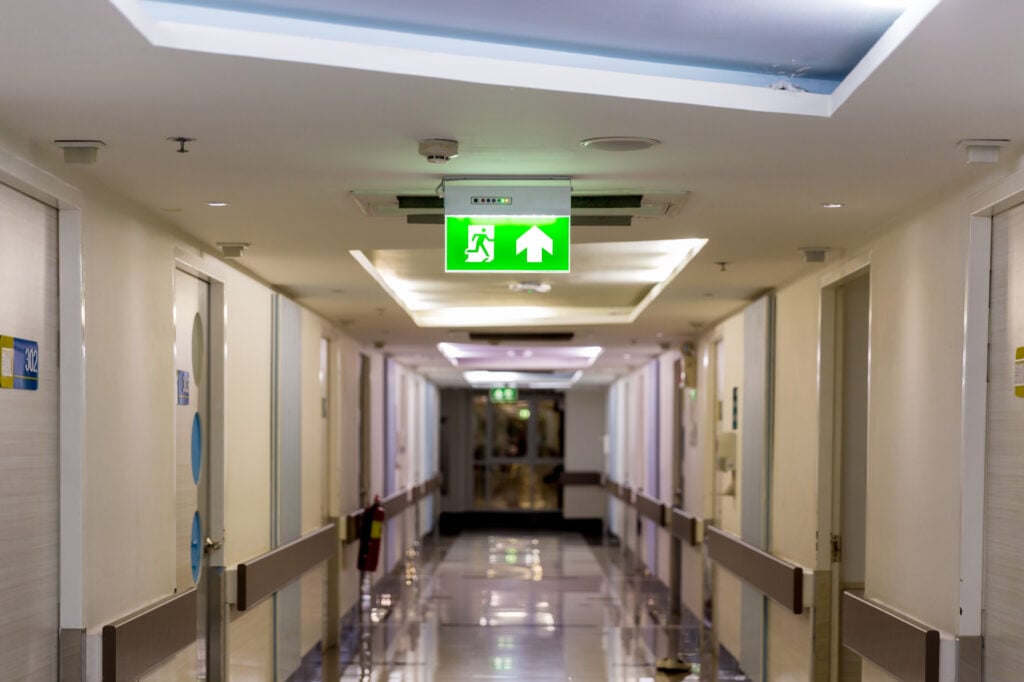
Fire door regulations in Tulsa apply across nearly every commercial sector. While the code requirements are based on occupancy classification and building design, different industries tend to encounter specific compliance challenges. Understanding how fire-rated door assemblies function within your type of facility helps reduce violations and operational disruptions.
| Industry | The Effect of Fire Door Regulations |
|---|---|
| Warehouses and distribution centers | Large facilities often require fire-rated doors to separate warehouse space from office areas, mechanical rooms, and hazardous storage zones. High-cycle use, forklift traffic, and dock operations can damage doors and hardware, making routine inspection critical. |
| Retail stores and shopping centers | Retail properties commonly require fire doors at rear exits, stock rooms, service corridors, and tenant separations. Modifications tied to storefront upgrades or access control systems can create compliance issues if fire ratings are not maintained. |
| Hospitality and hotels | Hotels must maintain fire-rated corridor doors, stairwell doors, and service area doors to protect guest egress paths. Doors that fail to self-close and latch properly are frequently cited during inspections. |
| Healthcare facilities | Hospitals and clinics often have both fire-rated and smoke-rated door assemblies in patient corridors, treatment areas, and hazardous rooms. Because occupants may have limited mobility, door performance and latching reliability are closely scrutinized. |
| Office buildings | Multi-tenant office buildings rely on fire-rated stairwell doors, electrical room doors, and occupancy separation doors. Frequent tenant improvements can unintentionally affect fire door compliance if modifications are not reviewed properly. |
| Manufacturing and industrial plants | Facilities with welding, chemical storage, or high-heat processes often require fire-rated separations between production areas and administrative spaces. Heavy-duty use can accelerate wear on closers, hinges, and latching hardware. |
| Government and municipal facilities | Public buildings must maintain strict compliance standards and documentation. Fire-rated doors are typically required in stairwells, records rooms, detention areas, and utility spaces. |
| Car dealerships and service centers | Service bays, paint areas, and parts storage may require fire-rated separations from customer-facing areas. Large openings and specialty hardware must still meet fire door listing requirements where applicable. |
| Restaurants and food service facilities | Kitchens often require fire-rated doors separating cooking areas from dining spaces, storage, and exits. Grease buildup, impact traffic, and frequent use can affect door operation over time. |
| Schools, colleges, and universities | Educational facilities rely on fire-rated corridor doors, stairwell doors, and mechanical room doors to protect students and staff. High daily traffic increases the likelihood of hardware wear and improper door adjustments. |
| Airports and freight companies | Aviation and freight facilities may require rated separations between operational areas, storage zones, and administrative offices. Security integrations and specialized hardware must remain compliant with fire door listing standards. |
Protect Your Business With Compliant Fire Doors in Tulsa
Maintaining compliance with fire door regulations in Tulsa requires more than initial installation. Fire-rated assemblies must be inspected annually, properly documented, and serviced using approved components that preserve the door’s tested rating. Even minor hardware changes or building modifications can void a listing and create violations if not handled correctly. Working with experienced commercial door professionals helps ensure repairs, adjustments, and upgrades are completed in accordance with code requirements.
Scheduling regular inspections, correcting deficiencies promptly, and preventing unauthorized modifications reduces the risk of failed inspections, delayed approvals, and increased liability exposure. If you are unsure whether your fire doors meet current requirements, now is the time to act. Contact Commercial Door to schedule a free estimate and fire door evaluation in Tulsa.


