
Fire doors are a vital part of any commercial building safety system. When installed and maintained correctly, they help contain fire and smoke, giving occupants more time for safe evacuation. For business owners in Nashville, compliance with fire door regulations is not just a safety measure. It’s a legal requirement that directly impacts liability and maintaining building occupancy approval.
Nashville fire door regulations are based on a combination of national standards and local enforcement. Business owners must comply with the National Fire Protection Association (NFPA 80 and NFPA 101), the International Building Code (IBC), and rules enforced by both the Nashville Fire Marshal’s Office and the Metro Codes Department.
This guide explains how to keep your facility compliant from installation to inspection and ongoing maintenance, ensuring your fire doors meet every safety and code requirement in the Nashville area.
Fire Door Codes and Standards in Nashville
Fire door compliance in Nashville is based on a combination of national fire safety standards and local codes. Together, these regulations ensure that every door assembly performs as intended during a fire. Understanding which codes apply to your building is the first step toward meeting safety and legal requirements and helping your business stay compliant with inspection and enforcement processes.
NFPA 80: Standard for Fire Doors and Other Opening Protectives
The NFPA 80 standard outlines how fire doors must be installed, tested, and maintained. It ensures that doors close properly, latch securely, and preserve their fire rating requirements over time. Any installation, repair, or modification must follow these NFPA standards to remain compliant.
NFPA 101: Life Safety Code
NFPA 101 focuses on protecting building occupants by regulating exit routes, fire barriers, and door assemblies. It works in conjunction with NFPA 80 to ensure fire doors provide both structural protection and safe egress during an emergency, meeting the broader goals of national fire safety standards.
NFPA 1: Fire Code
Nashville follows the 2018 NFPA 1 Fire Code, which addresses ongoing fire prevention measures such as inspection, maintenance, and use of fire-rated assemblies. This code gives the Nashville Fire Marshal’s Office authority to review facilities and enforce compliance, ensuring buildings meet consistent fire safety standards across the city.
International Building Code (IBC)
The International Building Code (IBC) governs the construction and design of commercial buildings, including where fire-rated doors are required. Tennessee has adopted the 2021 IBC with state-specific amendments, which Metro Nashville enforces through its local codes and permitting process.
Metro Nashville Fire Prevention Code and Local Amendments
Metro Nashville adapts national standards to meet local needs through Chapter 10.64 of the Metro Code of Ordinances. These amendments guide local permitting, plan review, and enforcement. The Metro Codes Department and Nashville Fire Marshal’s Office oversee these regulations to ensure every commercial property meets the required fire rating requirements for doors and other protective assemblies.
Fire Door Installation, Labeling, and Modifications
Proper installation and labeling are the foundation of fire door compliance and are essential for passing inspection and maintaining life safety standards. Even the most durable door will fail to perform if it’s installed incorrectly or altered in a way that voids its fire rating. Many violations in Nashville begin at this stage, when labels are missing, door hardware is replaced with non-rated parts, or modifications are made without approval.
Fire Door Labeling Requirements
Every fire-rated door, frame, and piece of hardware must include a visible label showing its fire rating and manufacturer. These are a critical component of compliance, confirming that fire doors perform as tested under real fire conditions and indicate how long the assembly can withstand fire exposure for a specified period, typically between 20 and 180 minutes. If the door includes a vision panel, the glazing material must also be labeled and rated to the same standard. Removing, painting over, or covering a label can void its certification and lead to a failed inspection. Labels must remain legible and match the door’s listed rating in the building’s approved plans.
Approved Installation Methods
Under NFPA 80 and the International Building Code, fire doors must be installed exactly as tested and certified. That includes proper frame anchoring, automatic closing devices, listed door hardware, and code-compliant fire door clearances. Substituting non-rated components or altering how the door operates can compromise its fire resistance. For example, swinging doors in corridors or stairwells must close automatically without obstruction. In new construction or major renovations, the Metro Codes Department may require inspection or approval during installation to verify compliance.
Modifications and Repairs
Once installed, a fire-rated door cannot be cut, drilled, or altered without following strict guidelines. Any modification, such as adding a window, replacing hardware, or changing the door’s swing, must be completed using components that maintain the door’s original fire rating. This applies not only to existing doors, but also to other assemblies like sliding doors and rolling steel doors, which have their own testing and performance standards.
If a door or frame needs to be modified, the work must comply with NFPA 80 and the manufacturer’s specifications. Using listed components and keeping documentation of any changes helps preserve the door’s rating. In some cases, the Metro Codes Department may also require a permit or inspection before or after the modification. Properly executed repairs and documented changes not only protect your investment but also prevent costly compliance issues during the annual inspection process.
Annual Inspections, Documentation, and Common Violations

Fire door inspections are where most compliance issues are identified. In Nashville, these inspections are required under NFPA 80 and enforced by the Nashville Fire Marshal’s Office and Metro Codes Department. Inspectors conduct inspections to verify that doors close properly, latch securely, and retain their fire rating. These regular inspections are essential for keeping your facility compliant and ensuring that doors will perform as intended in an emergency.
Annual Inspection Requirements
Each fire door assembly must be inspected and tested at least once a year by qualified personnel familiar with fire door systems and local code requirements. NFPA 80 requires that all fire doors be inspected to ensure proper operation, adequate seals, and smooth latching. During these inspections, technicians confirm that doors operate correctly, clearances are within code, hardware functions properly, and gaskets are intact. Any deficiencies found during testing must be documented and corrected promptly to restore compliance.
Documentation and Recordkeeping
Inspection results must be recorded and kept on file for review by the Fire Marshal’s Office or Metro Codes Department. Proper record keeping ensures proof of compliance during audits or occupancy renewals. Inspection logs should include the date, inspector’s name, door condition, and any corrective actions taken. Maintaining detailed records of all inspections and repairs, including photos and signed reports, demonstrates due diligence. Each inspection should also include functional testing — verifying that self-closing devices and latches operate as intended to maintain fire protection.
Common Violations Found During Inspections
Nashville inspectors frequently encounter violations ranging from simple maintenance oversights to major safety hazards. Common issues include:
- Doors that fail to close or latch properly due to misalignment, worn hinges, or damaged closers
- Propped-open doors using wedges, cords, or magnets without automatic release mechanisms
- Painted-over or missing fire labels that make ratings unreadable or unverifiable
- Unauthorized field modifications such as cutouts, drilled holes, or added hardware
- Unlisted or mismatched hardware, including non-rated hinges, locks, or vision panels
- Damaged seals, gasketing, or intumescent strips that compromise smoke containment
- Improper clearance requirements around the frame or meeting edges that exceed NFPA 80 limits
- Obstructions blocking egress doors or exit routes, such as storage items or furniture
- Warped, cracked, or deteriorated door cores that prevent full closure
- Missing self-closing devices or closers that have been removed or disabled
- Loose, broken, or painted-over hardware that affects operation
- Missing documentation from prior inspections or repairs
Failing to correct these issues can lead to non-compliance with Nashville fire code and result in serious consequences, such as fines, delayed occupancy approvals, or increased liability during a fire event. Correcting violations promptly ensures every fire door functions as intended to protect lives and property.
Routine Maintenance and Preventive Care for Fire Door Compliance
Regular proactive maintenance keeps fire doors functional and compliant between annual inspections. Nashville building owners and facility managers are responsible for ensuring that doors remain properly maintained, close and latch correctly, and that hardware operates smoothly. The ongoing maintenance of fire doors includes keeping seals intact and ensuring that doors are not blocked open, painted over, or altered without approval. Frequent checks, such as simple visual walkthroughs each month, helps identify problems early, such as damaged gaskets, missing labels, or loose closers, before they lead to violations.
Professional servicing at least once a year helps verify that every fire-rated assembly meets its original rating and operates within NFPA 80 standards. Technicians can replace worn parts with listed components, confirm proper clearances, and provide documentation for inspection records. Consistent maintenance not only ensures compliance with Metro Nashville fire codes but also plays a critical role in preventing fire from spreading, protecting lives and property by keeping fire doors ready to perform when an emergency occurs.
What Should I Do If My Fire Door Fails Inspection?
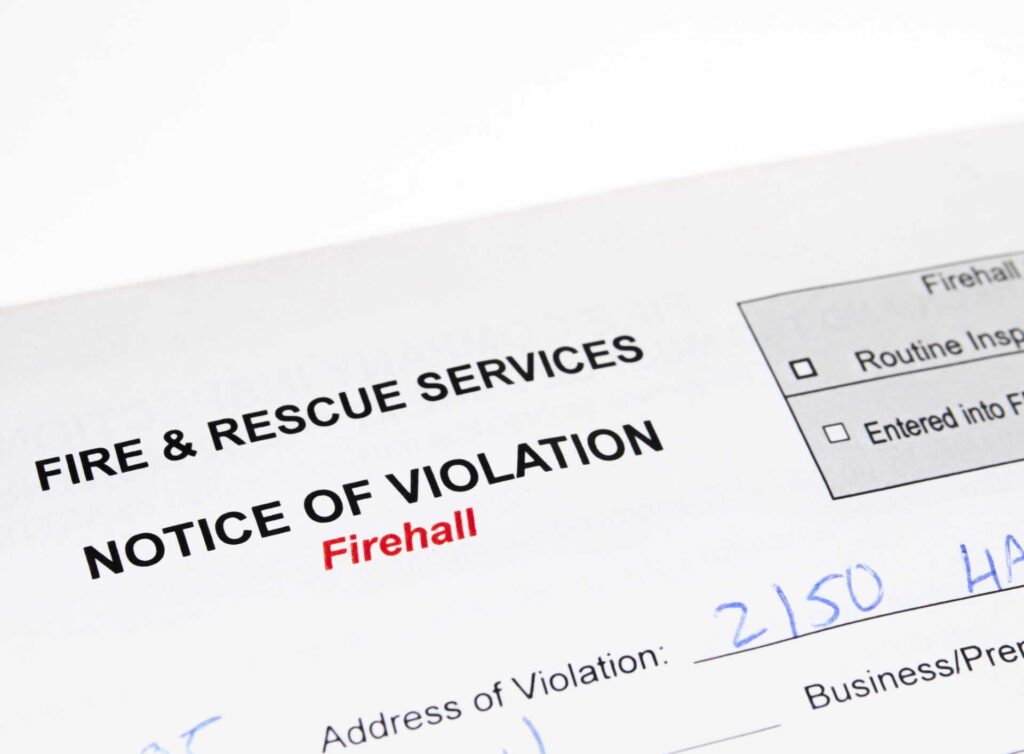
Failing a fire door inspection doesn’t automatically mean your building is unsafe, but it does require prompt action. The issues cited are often small, like worn seals, missing labels, or misaligned latches, but if left unresolved, they can lead to property damage, fines, or delayed occupancy approvals. Taking action quickly is essential for minimizing damage, restoring compliance, and allowing occupants to evacuate safely in the event of a fire. Follow these steps to correct deficiencies and restore compliance:
- Read the deficiency report: Identify each failed item by door location and issue code. Note deadlines given by the inspector or Fire Marshal.
- Secure life safety immediately: If a door will not close or latch, remove wedges or magnets, clear obstructions, and post temporary monitoring if required by your safety plan.
- Tag and take the door out of service if needed: Use a visible tag to mark the door as noncompliant. Keep it closed except for egress until repairs are complete.
- Document the condition: Take photos of labels, gaps, and damage. Save the inspection report and list each deficiency in your maintenance log.
- Verify the door’s rating and components: Confirm that the door, frame, and hardware match the required fire rating and are approved for use together.
- Plan code-compliant repairs: Select listed replacement parts or manufacturer-approved methods. Never drill or cut without verifying that the repair maintains the door’s rating.
- Check permit or inspection needs: For certain repairs or modifications, contact the Metro Codes Department to confirm if a permit or reinspection is required.
- Complete repairs by a qualified person: Have a technician trained in NFPA 80 make the necessary repairs.
- Re-test the door assembly: Test each repaired door to confirm it closes, latches, and seals properly.
- Update records: Document the repair date, who performed the work, and what was done. Keep photos and updated inspection reports for your next review.
- Request reinspection if required: If the fire marshal requested verification, submit your documentation and schedule a follow-up inspection.
- Prevent future failures: Add the repaired door to your maintenance checklist, and train staff to avoid propping open or obstructing fire-rated assemblies.
How Professional Fire Door Assembly Installation Ensures Compliance
Fire door systems are highly regulated, and keeping them compliant requires both technical knowledge and familiarity with local enforcement. Experienced professionals understand how to interpret NFPA 80, apply Metro Nashville Fire Code requirements, and document every detail of an inspection or repair. These experts play a crucial role in maintaining building safety by ensuring that each door operates correctly and meets performance standards. For specialized environments such as healthcare facilities, where patient safety and fire containment are critical, professional fire door management is especially important.
Professional service includes proper installation, certified annual inspections, code-compliant repairs, and thorough recordkeeping. Technicians verify that each assembly meets its original fire rating, uses listed hardware, and delivers reliable fire door performance during real fire conditions. Many providers also coordinate with related life-safety components such as fire dampers, ensuring that doors, walls, and ventilation systems work together to contain smoke and heat effectively.
If you’re a Nashville business owner who needs help with fire door installation, inspection, or repair, contact Commercial Door for a free estimate that meets every NFPA and Metro Nashville requirement. Our technicians specialize in keeping commercial facilities safe, functional, and compliant across Middle Tennessee.