
Installing new commercial doors is a significant investment, and understanding what to expect throughout the process helps you complete the job correctly and efficiently. Whether you’re replacing aging entry doors, upgrading to automated systems, or installing specialized applications, proper planning and coordination make all the difference.
This guide walks through the complete installation process, from selecting the right doors to post-installation support, so you know exactly what happens at each stage and how to prepare your business for a successful outcome.
Choosing the Right Commercial Doors for Your Facility
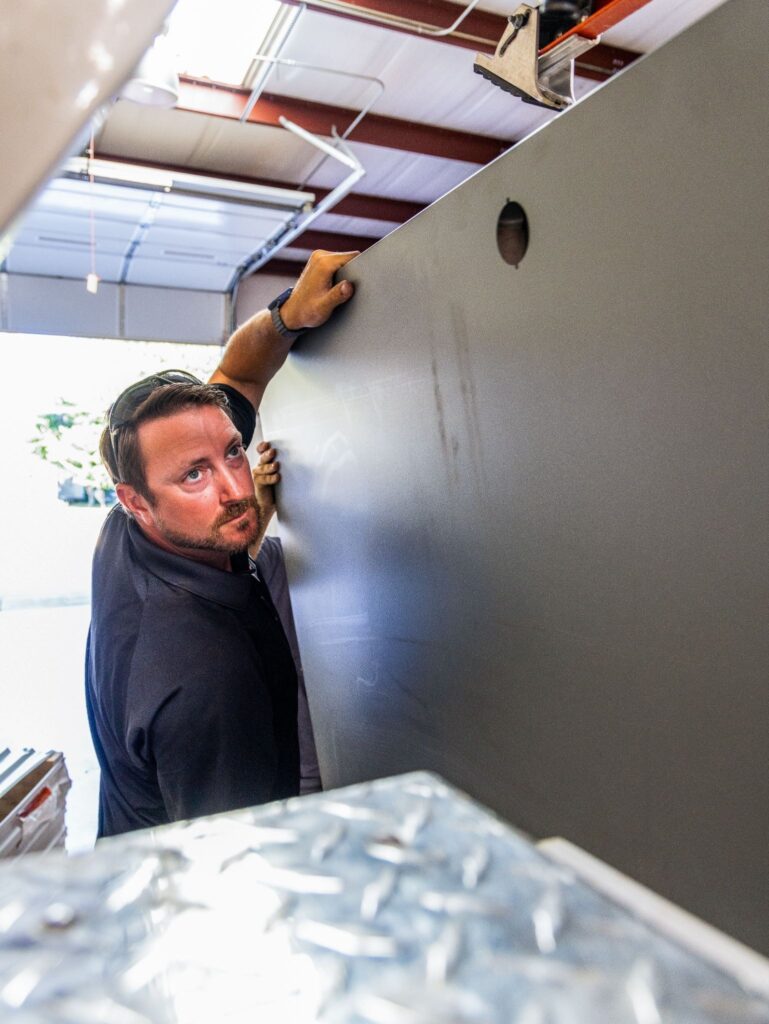
Commercial facilities have different needs than residential properties, and choosing the right doors ensures your business has the protection and reliable performance required by daily operations. It drives every other point in the installation process, from timeline and budget to operational requirements and code compliance. Consider these key factors:
- Materials and construction standards. Material selection affects performance, maintenance requirements, and lifecycle costs. The best commercial-grade doors use heavier gauge steel, reinforced frames, and impact-resistant materials designed to withstand thousands of daily cycles in high-traffic environments.
- Security features. It’s important to match security features to the level of protection each entrance requires without creating operational bottlenecks. Entry points with valuable inventory, sensitive information, or restricted areas need reinforced frames, multi-point locking systems, and access control integration. Customer entrances may prioritize visibility and ease of access while maintaining basic security through controlled access hardware and monitored entry systems.
- ADA compliance. Planning for compliance from the beginning prevents costly modifications later. Accessible entrances require specific door widths, threshold heights, and clear floor space on both sides of the door. Automatic operators, push-button controls, and properly positioned hardware meet accessibility requirements for employees and customers.
- Energy efficiency. Insulated doors with proper weatherstripping reduce heat transfer and air infiltration, lowering heating and cooling expenses throughout the year. High-performance doors with thermal breaks and low-emissivity glass maintain interior temperatures while allowing natural light. For loading docks or high-frequency operation, high-speed doors minimize air exchange and maintain climate control. The upfront investment in energy-efficient doors typically pays for itself through reduced utility costs.
- Application-specific requirements. Understanding the specific demands of your industry and operations helps you select doors that perform reliably in their intended environment. Facilities handling food products need doors that meet sanitation standards and temperature control requirements. Manufacturing environments may require impact-resistant doors that withstand forklift traffic and frequent opening cycles. Retail locations need doors that support customer flow while preventing unauthorized access to back-of-house areas.
The Commercial Door Installation Process

A successful installation follows a structured process from initial consultation through final testing and documentation. Understanding what happens at each stage helps you coordinate resources, communicate with staff, and maintain business operations.
Initial Consultation and Site Assessment
The installation process begins with a site assessment where the installer evaluates specific needs and constraints. Technicians take precise measurements of your door openings, examine structural conditions, verify power supply locations for automatic operators, and identify accessibility or code compliance requirements. They also assess daily traffic patterns, operating schedules, and special considerations like temperature control or security requirements.
To ensure the project runs smoothly, the site assessment also includes verifying local building codes, confirming permit requirements and inspection schedules, fire safety requirements, and any industry-specific regulations. The assessment also identifies any structural modifications needed to accommodate the new doors, such as header reinforcement, floor preparation, or electrical work for automatic operators.
Quote and Scheduling
Following the site assessment, you receive a detailed estimate that breaks down material costs, labor, any required structural modifications, permit fees, and the projected timeline. The estimate should specify door models, hardware packages, finish options, and warranty coverage so there are no surprises.
Lead times vary depending on door type, customization requirements, and current demand. Standard doors with common configurations may be available within a few weeks, while custom sizes, specialized finishes, or doors with integrated access control systems may require longer fabrication periods. Scheduling around business operations is critical, and experienced installers work with you to identify optimal installation windows. Some installations can proceed during normal business hours with limited impact, while others may require after-hours or weekend scheduling to avoid interfering with daily operations.
Pre-Installation Preparation
Proper preparation before installation day helps prevent delays and keep the installation on schedule. Take these steps to prepare:
- Coordinate deliveries. If you receive regular deliveries, coordinate with shipping companies to reschedule deliveries that would normally arrive through the door being replaced, or establish temporary receiving locations.
- Manage building access. Notify staff of any alternate entrances they need to use, and post temporary signage directing customers to available entry points. For customer-facing businesses, a brief announcement on social media or your website helps set expectations and reduces confusion. If the door being replaced is a primary access point, plan for additional foot traffic at other entrances.
- Plan for parking. Small parking lots may need reserved spaces for installation vehicles. Planning with your installer provides crew access without taking spaces away from customers or employees.
- Secure the building. If the door being replaced provides security for valuable inventory or sensitive areas, relocate those assets to more secure locations for the duration of the installation, or arrange for temporary security measures.
- Prepare access control systems. New doors often need new keys, updated access credentials, or modifications to electronic access systems. Be sure to coordinate with your access control company before the installation so that card readers, keypads, or biometric systems can be configured and tested as soon as the new doors are operational.
Installation Day
Installation day follows a structured process from crew arrival through final cleanup. Here’s what happens:
- Site setup and preparation. The crew arrives at the scheduled time and establishes a safe work zone around the door opening. They protect adjacent floors and walls from damage and stage tools and materials. For occupied facilities, installers contain dust and debris and maintain clear pathways for building occupants, communicating with you throughout the entire process.
- Existing door removal. If applicable, technicians carefully disconnect automatic operators, remove old hardware, and extract the existing door and frame. They inspect the rough opening for any structural issues, verify dimensions match the new door specifications, and make any necessary repairs or modifications before proceeding.
- New door installation. Technicians install the door frame, shim and level it to exact specifications, anchor it securely, and verify squareness before hanging the door. They install all hardware, connect automatic operators if applicable, adjust clearances and operating forces, and install weatherstripping and thresholds.
- Safety testing and adjustments. Installers test opening and closing forces, verify that safety sensors activate properly, check emergency release functions, and confirm the door meets accessibility standards. They make fine adjustments to hardware, adjust automatic operator settings, and verify that locking mechanisms engage correctly.
- Cleanup and final inspection. Once all checks are complete, the crew cleans the work area, removes protective coverings, and disposes of old door components and installation debris.
Post-Installation: Testing, Training, and Warranty Activation
Installation completion marks the beginning of the post-installation phase, where staff training, warranty activation, and ongoing maintenance help your doors perform reliably. This phase includes:
- Staff training. Staff learn how to operate manual override systems, recognize warning signs that require professional attention, and perform simple maintenance tasks like cleaning tracks and checking weatherstripping. For doors with access control integration, training includes credential management and emergency procedures.
- Documentation and warranty activation. Installers provide operation manuals, maintenance schedules, warranty documentation, and contact information for service and support. Proper warranty registration activates coverage immediately and protects your investment.
- Ongoing support and maintenance. Installers advise on preventive maintenance schedules for lubrication, adjustment, and component inspection. Many commercial door service providers offer maintenance programs that include scheduled inspections, priority emergency response, and proactive component replacement to prevent unexpected failures.
Choosing an Installer Who Delivers
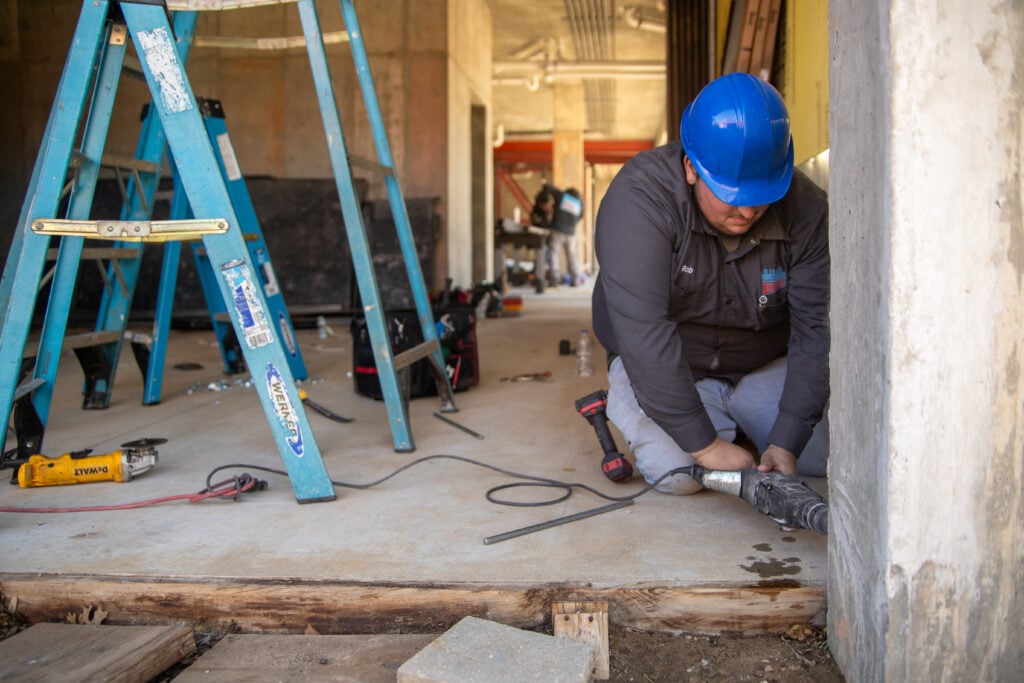
The difference between a smooth, professional installation and one plagued by delays and substandard work comes down to the installer. Commercial door installation requires specialized knowledge beyond basic door hanging, and selecting an installer with proven commercial expertise helps your installation meet professional standards.
Evaluate installers based on their commercial specialization, track record, and service capabilities. Look for installers who work exclusively with commercial clients and can demonstrate experience with your specific door types through completed projects and client references. Check for consistent positive feedback regarding communication, schedule adherence, and problem-solving. Request detailed estimates that break down costs and timelines, and verify licensing, insurance coverage, and manufacturer certifications. An installer who handles the full range of commercial door needs becomes a valuable long-term partner rather than just a one-time vendor.
Get Started with Your Commercial Door Installation
A successful commercial door installation depends on careful planning, experienced installation, and ongoing support that keeps your doors functioning reliably for years. Understanding each phase of the installation process helps you prepare appropriately and maintain operations while protecting your investment. From selecting doors that match specific requirements through post-installation training and warranty activation, each step contributes to a successful outcome.
Commercial Door provides comprehensive commercial door installation services with the expertise to support your business needs. We specialize exclusively in commercial applications, bringing focused knowledge of commercial door systems, code compliance, and operational requirements to every installation. Our technicians handle the complete installation process from initial site assessment through final testing and staff training, and our 24/7 emergency service availability provides expert support whenever you need it. Request a free estimate to discuss your commercial door installation needs, or contact us directly to speak with one of our installation specialists.


